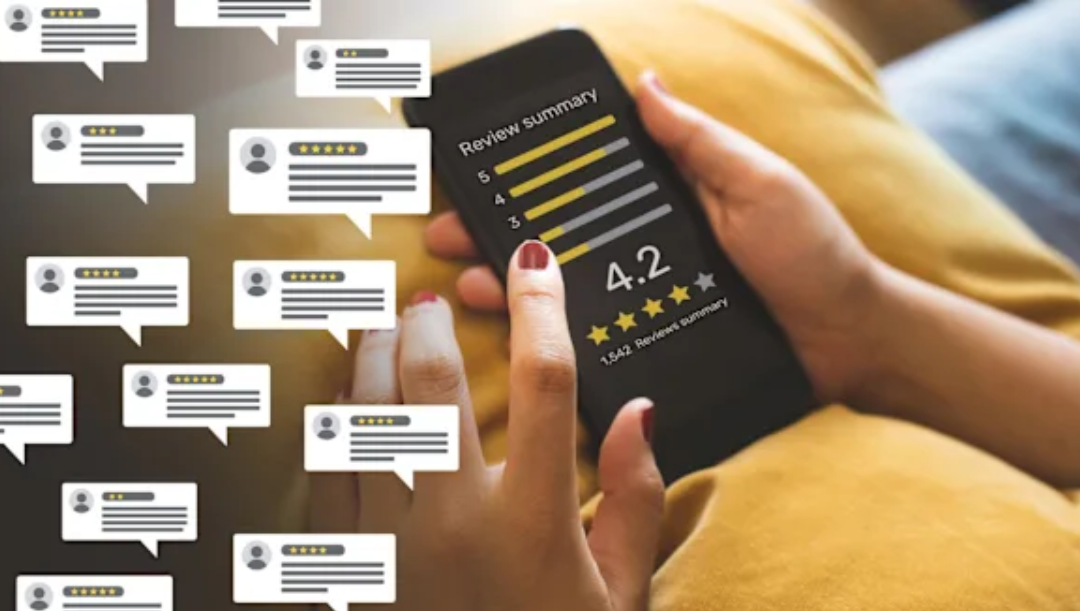
In today’s digital travel era, hotel reviews play a crucial role in shaping our decisions. Whether you’re planning a luxury getaway, a budget trip, or a business stay, chances are you rely heavily on online reviews before making a reservation. But here’s the truth: not all hotel reviews are trustworthy. Fake ratings, biased opinions, and manipulated feedback can easily mislead travelers into making poor choices.
This comprehensive guide will teach you how to read hotel reviews critically, identify fake ratings, and make smarter booking decisions. By the end of this article, you’ll have the tools to confidently navigate review platforms and avoid costly mistakes.
Why Hotel Reviews Matter More Than Ever
Online reviews have become the modern version of word-of-mouth recommendations. A single hotel listing can have hundreds or even thousands of reviews, influencing perceptions about cleanliness, service, location, and overall experience.
However, the rise of fake reviews—both positive and negative—has made it harder to distinguish genuine feedback from misleading content. Some hotels inflate ratings to attract customers, while competitors may post negative reviews to damage reputations.
That’s why learning how to analyze reviews properly is essential for every traveler.
Understanding the Types of Hotel Reviews
Before diving into detection strategies, it’s important to understand the different types of reviews you may encounter:
1. Genuine Reviews
These are written by real guests who have stayed at the hotel. They usually include specific details, balanced opinions, and personal experiences.
2. Fake Positive Reviews
These reviews are often overly enthusiastic, vague, and written to artificially boost ratings.
3. Fake Negative Reviews
Sometimes posted by competitors or disgruntled individuals, these reviews exaggerate problems or describe situations that may not have happened.
4. Incentivized Reviews
Some guests receive discounts or perks in exchange for positive feedback, which may bias their opinions.
Red Flags: How to Spot Fake Hotel Reviews
1. Overly Generic Language
Fake reviews often lack detail. If a review says something like:
“Great hotel! Amazing experience! Highly recommend!”
…but doesn’t mention anything specific (room type, service, location), it could be suspicious.
What to look for instead:
- Mention of specific amenities
- Real-life situations
- Balanced pros and cons
2. Repetitive Phrases Across Reviews
If multiple reviews use similar wording or phrases, it may indicate automated or coordinated fake reviews.
Example signs:
- Same adjectives repeated (“excellent service,” “perfect stay”)
- Similar sentence structures
- Multiple reviews posted within a short time frame
3. Extreme Ratings Without Explanation
Be cautious of:
- 5-star reviews with no detail
- 1-star reviews with vague complaints
Authentic reviews usually explain why the experience was good or bad.
4. Reviewer Profile Looks Suspicious
Click on the reviewer’s profile when possible. Fake reviewers often:
- Have only one review
- Post multiple reviews in a single day
- Review hotels in different countries within a short time
5. Sudden Spike in Reviews
If a hotel suddenly receives many positive reviews within a few days, it could be a sign of manipulation.
Tip: Check the timeline of reviews to identify unusual patterns.
6. Reviews That Sound Too Perfect
No hotel is perfect. Even luxury hotels receive occasional criticism.
If every review is flawless, it may indicate:
- Review filtering
- Paid or fake feedback
How to Analyze Hotel Reviews Like an Expert
1. Focus on Recent Reviews
Hotel management, staff, and conditions can change over time. Prioritize reviews from the last 3–6 months.
Older reviews may no longer reflect the current experience.
2. Read Both Positive and Negative Reviews
Don’t just look at the overall rating. Dive deeper:
- What do people love?
- What do they complain about?
This helps you identify consistent patterns.
3. Look for Consistency
If multiple reviewers mention the same issue—such as poor Wi-Fi, noisy rooms, or dirty bathrooms—it’s likely a real problem.
Similarly, repeated praise for friendly staff or great location is a good sign.
4. Pay Attention to Detailed Reviews
High-quality reviews often include:
- Specific room numbers or types
- Names of staff members
- Exact experiences (check-in, breakfast, etc.)
These details indicate authenticity.
5. Check Photos from Guests
User-uploaded photos are often more reliable than professional hotel images.
Look for:
- Room condition
- Cleanliness
- Actual size and layout
- Amenities
Photos can reveal discrepancies between marketing and reality.
Platforms and Their Review Reliability
Different platforms have varying levels of trustworthiness. Understanding this can help you weigh reviews more effectively.
1. Booking Platforms
Sites like booking platforms often verify whether a user actually stayed at the hotel before allowing them to leave a review. This increases reliability.
2. Review Aggregators
These platforms collect reviews from multiple sources, giving a broader perspective. However, they may also include unverified reviews.
3. Social Media
Reviews on social platforms can be helpful but are often less structured and harder to verify.
Advanced Techniques to Detect Fake Ratings
1. Sentiment Imbalance
Fake reviews tend to be either overly positive or extremely negative, with little nuance.
Real reviews usually include:
- Pros and cons
- Mixed feelings
2. Language Patterns
Watch for:
- Unnatural phrasing
- Grammar inconsistencies
- Repeated keywords (often used for SEO manipulation)
3. Reviewer History Analysis
Check:
- How many reviews they’ve written
- What types of properties they review
- Geographic consistency
A reviewer who posts about luxury resorts and budget hostels across continents in one week is suspicious.
4. Cross-Check Multiple Platforms
Never rely on a single source. Compare reviews across different platforms.
If a hotel has:
- 4.8 stars on one site
- 3.2 stars on another
…it’s worth investigating further.
Common Tricks Used to Manipulate Reviews
1. Review Gating
Some hotels encourage happy guests to leave reviews while discouraging unhappy ones.
2. Paid Reviews
Businesses may hire agencies or freelancers to write fake positive reviews.
3. Review Deletion
Negative reviews may be removed or hidden on certain platforms.
4. Competitor Sabotage
Competitors may leave fake negative reviews to damage a hotel’s reputation.
Practical Checklist Before Booking a Hotel
Use this checklist to make smarter decisions:
- ✅ Read at least 10–20 reviews
- ✅ Focus on recent feedback
- ✅ Look for consistent patterns
- ✅ Check guest photos
- ✅ Compare multiple platforms
- ✅ Avoid relying solely on star ratings
Real-Life Example: How Reviews Can Mislead
Imagine booking a hotel with a 4.7-star rating. At first glance, it seems perfect. But upon deeper inspection:
- Most 5-star reviews are short and vague
- Several recent reviews mention cleanliness issues
- Guest photos show outdated rooms
This suggests the rating may not reflect the current reality.
Why You Should Never Trust Ratings Alone
Star ratings are just averages. They don’t tell the full story.
For example:
- A hotel with many 5-star and 1-star reviews may indicate inconsistency
- A hotel with mostly 3–4 star reviews may actually offer a more reliable experience
Always combine ratings with detailed review analysis.
The Psychology Behind Fake Reviews
Understanding why fake reviews exist helps you spot them more easily.
Motivation for Fake Positive Reviews:
- Increase bookings
- Improve search rankings
- Build brand reputation
Motivation for Fake Negative Reviews:
- Harm competitors
- Express personal grievances
- Influence public perception
Tips for Writing Your Own Honest Hotel Review
Being a responsible reviewer helps others make better decisions.
Include:
- Specific details about your stay
- Both positives and negatives
- Photos if possible
- Honest ratings
Avoid exaggeration or emotional bias.
Final Thoughts: Travel Smarter, Not Harder
Reading hotel reviews is both an art and a skill. In a world where fake ratings are increasingly common, relying solely on star scores can lead to disappointment.
By applying the strategies in this guide—analyzing patterns, checking reviewer credibility, and comparing multiple sources—you can confidently separate genuine reviews from fake ones.
The next time you book a hotel, take a few extra minutes to dig deeper. It could mean the difference between an unforgettable stay and a frustrating experience.
Frequently Asked Questions (FAQ)
1. Are all hotel reviews fake?
No, most reviews are genuine. However, a small percentage can be misleading, so it’s important to evaluate them carefully.
2. What is the most reliable type of review?
Detailed reviews with specific experiences and photos are usually the most trustworthy.
3. How many reviews should I read before booking?
Aim for at least 10–20 reviews, focusing on recent ones.
4. Can hotels delete negative reviews?
Some platforms allow moderation, but reputable sites aim to maintain transparency.