The rapid evolution of e-commerce has opened doors for aspiring entrepreneurs to start online businesses with minimal upfront investment. Among the most popular business models in this space is dropshipping. This model has gained global attention due to its simplicity, low barrier to entry, and flexibility. However, while dropshipping appears attractive on the surface, it comes with its own set of challenges and risks that every entrepreneur must understand before diving in.
In this comprehensive guide, we will explore what dropshipping is, how it works, its advantages and disadvantages, and the risks involved. By the end of this article, you will have a clear understanding of whether dropshipping is the right business model for you.
What Is Dropshipping?
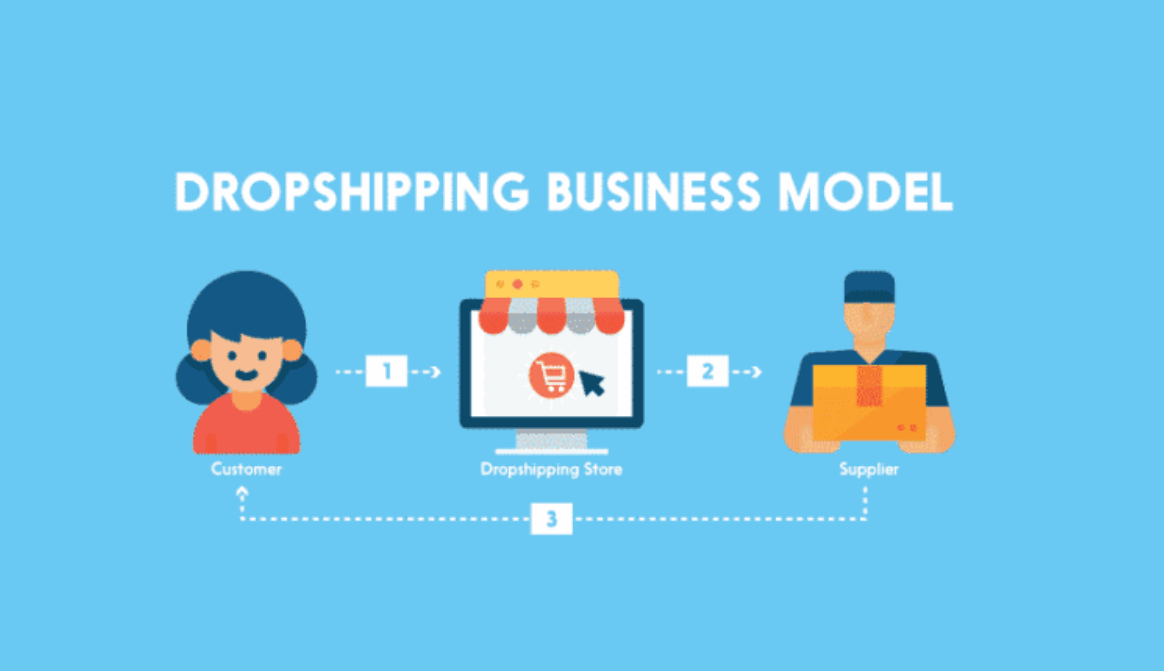
Dropshipping is an e-commerce business model where the seller does not keep products in stock. Instead, when a customer places an order, the seller purchases the product from a third-party supplier who then ships it directly to the customer.
This means the seller acts as a middleman between the customer and the supplier, focusing primarily on marketing, branding, and customer service rather than inventory management.
How the Dropshipping Model Works
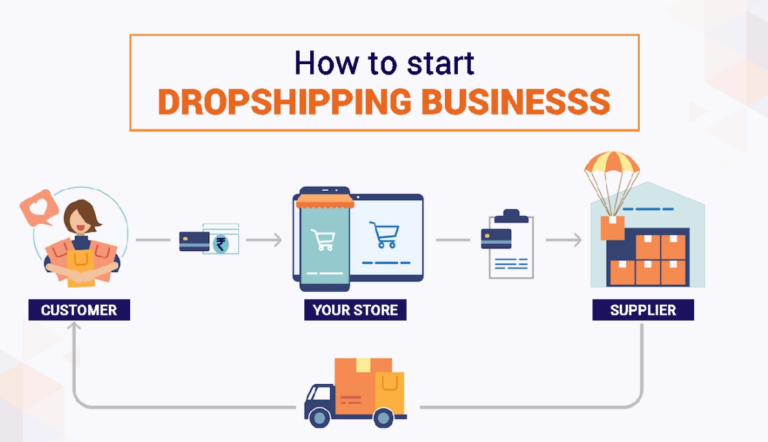
The dropshipping process typically follows these steps:
- Customer Places an Order
A customer visits your online store and purchases a product. - Order Is Forwarded to Supplier
You send the order details to your supplier or automate the process through an app. - Supplier Ships the Product
The supplier packages and delivers the product directly to the customer. - You Keep the Profit Margin
The difference between the retail price you set and the supplier’s price is your profit.
This streamlined process allows entrepreneurs to operate a business without handling physical products.
Key Components of a Successful Dropshipping Business
To succeed in dropshipping, several elements must work together:
1. Product Selection
Choosing the right products is critical. Successful dropshippers often focus on trending, niche, or problem-solving products that appeal to a specific audience.
2. Reliable Suppliers
Your supplier plays a major role in your business. Fast shipping, product quality, and communication are essential factors.
3. E-commerce Platform
You need a platform to host your store. Popular options include Shopify, WooCommerce, and BigCommerce.
4. Marketing Strategy
Since competition is high, effective marketing—such as social media ads, influencer marketing, and SEO—is crucial.
5. Customer Service
Providing excellent customer support helps build trust and encourages repeat purchases.
Pros of the Dropshipping Business Model
Dropshipping offers several advantages that make it appealing, especially for beginners.
1. Low Startup Costs
One of the biggest benefits is that you don’t need to invest heavily in inventory. This significantly reduces financial risk and makes it easier to start a business with limited capital.
2. Easy to Start
Unlike traditional retail businesses, dropshipping does not require warehouse space, inventory management, or complex logistics. You can set up an online store within a few days.
3. Wide Product Selection
You can offer a large variety of products without worrying about storage. This allows you to test different niches and identify what sells best.
4. Flexible Location
Dropshipping businesses can be run from anywhere with an internet connection. This makes it ideal for digital nomads and remote entrepreneurs.
5. Scalability
As your business grows, you don’t need to manage increased inventory or logistics. Suppliers handle fulfillment, allowing you to focus on scaling your marketing efforts.
Cons of the Dropshipping Business Model
Despite its benefits, dropshipping is not without its drawbacks.
1. Low Profit Margins
Because of intense competition, many sellers lower prices to attract customers. This often results in thin profit margins.
2. High Competition
The low barrier to entry means many people are entering the market. Standing out requires strong branding and marketing strategies.
3. Limited Control Over Products
Since you don’t handle the products directly, you cannot fully control quality, packaging, or shipping times.
4. Shipping Complexities
Working with multiple suppliers can lead to different shipping times and costs, which may confuse customers.
5. Customer Service Challenges
If a supplier makes a mistake, you are still responsible for resolving the issue with the customer.
Risks of Dropshipping
Understanding the risks is essential before starting a dropshipping business.
1. Supplier Reliability Issues
If your supplier fails to deliver products on time or sends low-quality items, it can damage your brand reputation.
2. Inventory Problems
Suppliers may run out of stock without notifying you, leading to canceled orders and dissatisfied customers.
3. Legal and Compliance Risks
Selling certain products may involve legal requirements, such as safety standards or import regulations. Ignoring these can result in penalties.
4. Payment Gateway Holds
New dropshipping stores may face payment holds or account suspensions due to high refund rates or suspicious activity.
5. Brand Reputation Damage
Negative reviews can spread quickly online, especially if customers experience delays or poor product quality.
Is Dropshipping Still Profitable in 2026?
Yes, dropshipping can still be profitable, but it is no longer as easy as it once was. The market has matured, and success now requires:
- Strong branding
- High-quality products
- Efficient marketing strategies
- Excellent customer experience
Entrepreneurs who treat dropshipping as a real business rather than a quick-money scheme are more likely to succeed.
Tips for Minimizing Risks in Dropshipping
To improve your chances of success, consider the following strategies:
1. Vet Your Suppliers Carefully
Test products yourself and work with suppliers who have proven track records.
2. Focus on Branding
Create a unique brand identity to differentiate your store from competitors.
3. Offer Real Value
Avoid selling generic products without added value. Consider bundling, customization, or educational content.
4. Optimize Shipping Times
Choose suppliers with faster shipping options or use local warehouses when possible.
5. Invest in Customer Experience
Clear communication, easy returns, and responsive support can turn one-time buyers into loyal customers.
Dropshipping vs Traditional E-commerce
| Feature | Dropshipping | Traditional E-commerce |
|---|---|---|
| Inventory | Not required | Required |
| Startup Cost | Low | High |
| Risk Level | Moderate | Higher |
| Control | Limited | Full |
| Profit Margin | Lower | Higher |
Both models have their pros and cons, and the choice depends on your goals, budget, and business strategy.
Common Misconceptions About Dropshipping
1. “It’s Easy Money”
Many believe dropshipping guarantees quick profits, but success requires effort, research, and persistence.
2. “No Skills Needed”
In reality, you need skills in marketing, copywriting, customer service, and analytics.
3. “Any Product Will Sell”
Product research is critical. Not all products have demand or profitability.
Future Trends in Dropshipping
The dropshipping industry continues to evolve. Key trends include:
- Faster Shipping Expectations
Customers now expect delivery within days, not weeks. - Brand-Focused Stores
Generic stores are declining, while niche brands are growing. - AI and Automation
Tools for product research, customer service, and marketing are becoming more advanced. - Sustainability
Eco-friendly products and ethical sourcing are gaining importance.
Who Should Start a Dropshipping Business?
Dropshipping is ideal for:
- Beginners with limited capital
- Digital marketers
- Entrepreneurs who prefer low-risk business models
- Individuals seeking location independence
However, it may not be suitable for those looking for complete control over product quality or high profit margins.
Final Thoughts
Dropshipping remains a viable and attractive business model, especially for those entering the world of e-commerce. Its low startup costs and flexibility make it accessible, but the challenges and risks should not be underestimated.
Success in dropshipping requires more than just setting up a store—it demands strategic planning, consistent effort, and a focus on delivering value to customers. By understanding the pros, cons, and risks outlined in this article, you can make informed decisions and build a sustainable online business.
If approached correctly, dropshipping can serve as a powerful stepping stone into the broader world of entrepreneurship and digital commerce.
Conclusion
The dropshipping business model offers a unique opportunity for aspiring entrepreneurs to start an online business with minimal investment. While it provides numerous advantages such as flexibility and scalability, it also comes with significant challenges like low margins and supplier dependency.
Careful planning, strong branding, and a commitment to customer satisfaction are key to overcoming these challenges. By fully understanding how dropshipping works and preparing for its risks, you can position yourself for long-term success in the competitive e-commerce landscape.
Ultimately, dropshipping is not a shortcut to wealth—but with the right mindset and strategy, it can be a rewarding and profitable venture.