Building a successful dropshipping store from scratch is one of the most accessible ways to start an online business today. With low upfront costs, minimal inventory risk, and global reach, dropshipping continues to attract entrepreneurs worldwide. However, success doesn’t come from simply launching a store—it requires strategy, research, execution, and continuous optimization.
In this comprehensive guide, you’ll learn exactly how to build a profitable dropshipping business step by step, even if you’re starting with zero experience.
What Is Dropshipping?
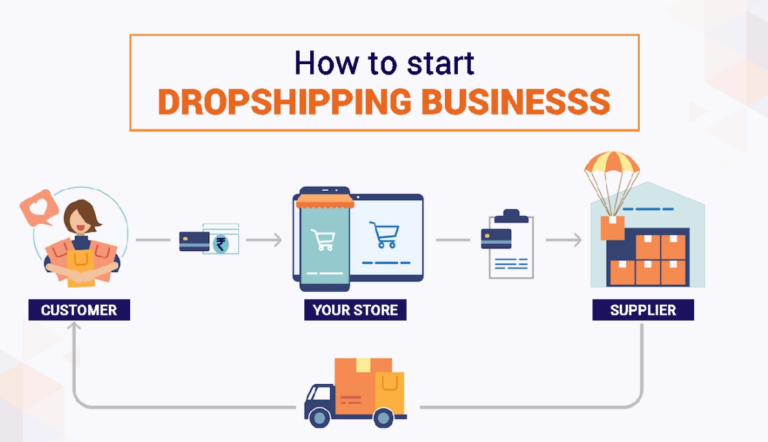
Dropshipping is an eCommerce business model where you sell products online without holding inventory. Instead, when a customer places an order, you purchase the item from a supplier who ships it directly to the customer.
Key Benefits:
- Low startup costs
- No inventory management
- Flexible location (work from anywhere)
- Wide product selection
Challenges:
- Lower profit margins
- Supplier dependency
- High competition
- Shipping delays (if not managed properly)
Understanding both sides is crucial before starting.
Step 1: Choose a Profitable Niche
Your niche determines your store’s direction and long-term potential. Avoid choosing products randomly—focus on a targeted market.
Characteristics of a Good Niche:
- Passion or strong interest
- Problem-solving products
- Growing demand
- Moderate competition
- Target audience with purchasing power
Examples of Profitable Niches:
- Home organization
- Pet accessories
- Fitness and health gadgets
- Beauty and skincare tools
- Smart home devices
Pro Tip:
Avoid general stores at the beginning. A niche-focused store builds trust and converts better.
Step 2: Conduct Market Research
Before selecting products, validate demand.
How to Do Market Research:
- Search trending products on marketplaces
- Analyze competitors’ stores
- Read customer reviews
- Use keyword tools to identify search demand
What to Look For:
- High engagement (reviews, likes, shares)
- Problem-solving features
- Viral potential (especially on social media)
Red Flags:
- Oversaturated products
- Poor product quality
- Extremely low margins
Step 3: Find Reliable Suppliers
Your supplier can make or break your business.
Where to Find Suppliers:
- Global supplier marketplaces
- Dropshipping platforms
- Private suppliers (recommended once you scale)
Supplier Checklist:
- Fast shipping times
- High-quality products
- Good communication
- Positive reviews
- Order tracking availability
Pro Tip:
Order samples before selling to ensure quality and delivery speed.
Step 4: Build Your Online Store
Your store is your brand’s foundation. It must look professional and trustworthy.
Essential Elements of a High-Converting Store:
1. Clean Design
- Simple layout
- Mobile-friendly
- Fast loading speed
2. Product Pages
- High-quality images
- Clear descriptions
- Benefits-focused copy
- Customer reviews
3. Trust Signals
- Secure payment badges
- Refund policy
- Contact information
4. Navigation
- Easy-to-use menu
- Clear categories
Pro Tip:
Focus on user experience (UX). A confusing website kills conversions.
Step 5: Create a Strong Brand
Branding separates successful stores from short-term projects.
Branding Elements:
- Store name
- Logo
- Color scheme
- Tone of voice
Why Branding Matters:
- Builds customer trust
- Increases perceived value
- Encourages repeat purchases
Example:
Instead of selling “random gadgets,” position your store as a “smart living solutions brand.”
Step 6: Set Up Payment and Pricing Strategy
Payment Methods:
Offer multiple secure payment options:
- Credit/debit cards
- Digital wallets
- Local payment methods
Pricing Strategy:
Use a balanced approach:
- Cost of product + shipping
- Marketing expenses
- Desired profit margin
Common Pricing Methods:
- 2x–3x product cost
- Psychological pricing (e.g., $19.99 instead of $20)
Step 7: Launch Marketing Campaigns
Without traffic, your store won’t generate sales.
Best Marketing Channels:
1. Social Media Marketing
- Create engaging content
- Use short-form videos
- Focus on storytelling
2. Paid Advertising
- Test multiple creatives
- Target specific audiences
- Optimize based on data
3. Influencer Marketing
- Collaborate with micro-influencers
- Offer free products or commissions
4. SEO (Search Engine Optimization)
- Optimize product pages
- Write blog content
- Use relevant keywords
Step 8: Optimize for Conversions
Getting traffic is only half the battle—converting visitors into customers is key.
Conversion Optimization Tips:
- Use urgency (limited stock, time offers)
- Add customer reviews
- Improve product descriptions
- Offer discounts or bundles
Important Metrics:
- Conversion rate
- Average order value (AOV)
- Cart abandonment rate
Step 9: Handle Customer Service Professionally
Customer experience determines long-term success.
Best Practices:
- Respond quickly
- Be transparent about shipping
- Handle complaints professionally
- Offer refunds when necessary
Tools You Can Use:
- Live chat
- Email support
- FAQ pages
Happy customers = repeat business.
Step 10: Scale Your Dropshipping Business
Once you start getting consistent sales, it’s time to scale.
Scaling Strategies:
- Increase ad budget gradually
- Expand product range
- Work with private suppliers
- Build email marketing campaigns
- Retarget previous visitors
Automation:
Use tools to automate:
- Order fulfillment
- Email marketing
- Customer support
Common Mistakes to Avoid
1. Choosing the Wrong Products
Selling low-demand or saturated products leads to failure.
2. Ignoring Branding
Generic stores struggle to build trust.
3. Poor Website Design
Unprofessional stores drive customers away.
4. Unrealistic Expectations
Dropshipping is not a “get rich quick” model.
5. No Testing Strategy
You must test products, ads, and audiences consistently.
How Long Does It Take to Succeed?
Success in dropshipping varies:
- Some stores see results within weeks
- Others take months of testing and learning
Consistency, patience, and data-driven decisions are crucial.
Is Dropshipping Still Profitable in 2026?
Yes—but only for those who treat it like a real business.
What Works Today:
- Strong branding
- Fast shipping
- Unique product positioning
- High-quality marketing content
What Doesn’t Work:
- Copy-paste stores
- Low-quality ads
- Random product selection
Final Thoughts
Building a successful dropshipping store from scratch is absolutely possible—but it requires more than just setting up a website. You need a clear niche, reliable suppliers, strong branding, effective marketing, and ongoing optimization.
If you follow the steps outlined in this guide and stay committed, you can create a profitable and scalable online business.