Starting an online business no longer requires massive capital, warehouses, or complicated logistics. Thanks to the rise of dropshipping, aspiring entrepreneurs can launch a profitable venture with minimal upfront investment. This business model allows you to sell products without holding inventory, making it one of the most accessible ways to enter the e-commerce world.
If you’re new to entrepreneurship and looking for affordable ways to get started, this guide explores the best low-cost dropshipping business ideas, along with practical insights to help you succeed.
What is Dropshipping and Why It’s Ideal for Beginners?
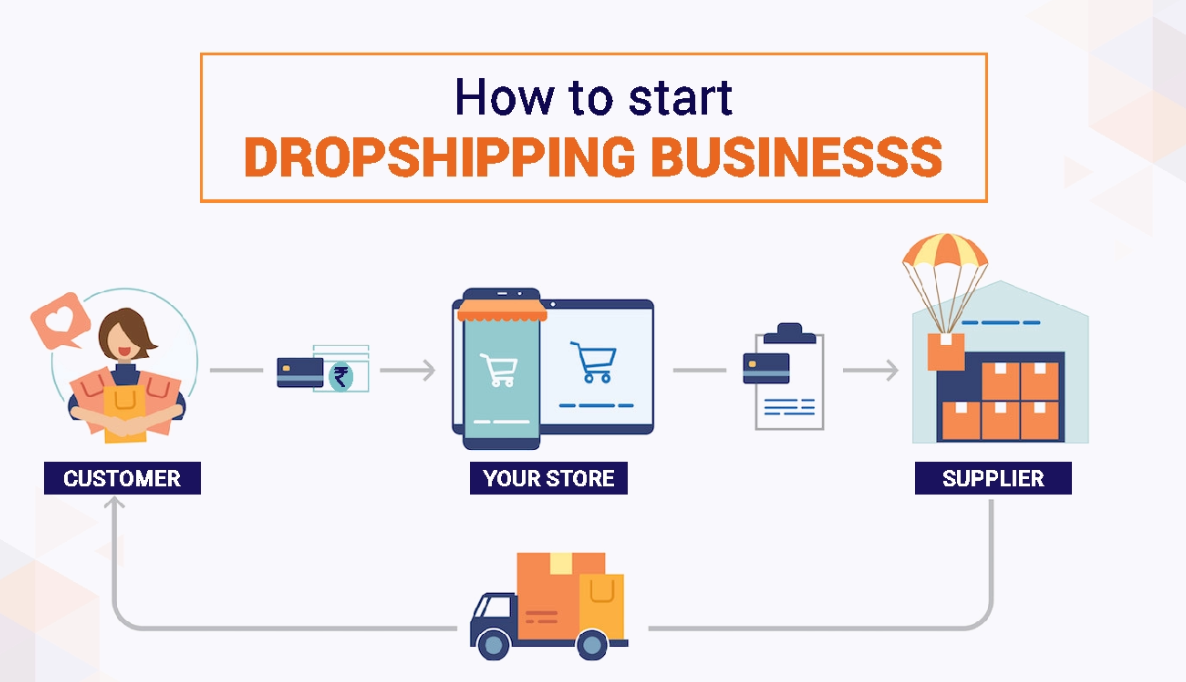
Dropshipping is a retail fulfillment method where you don’t keep products in stock. Instead, when a customer places an order, you purchase the item from a third-party supplier who ships it directly to the customer.
Key Benefits:
- Low startup costs – No need to invest in inventory
- Flexible location – Run your business from anywhere
- Wide product selection – Sell various items without storage concerns
- Scalability – Easily expand without operational complexity
For new entrepreneurs, dropshipping reduces financial risk while offering a real opportunity to build a scalable business.
How to Choose the Right Dropshipping Niche
Before diving into specific ideas, it’s important to understand how to select a profitable niche.
Factors to Consider:
- Demand – Are people actively searching for these products?
- Competition – Is the market oversaturated?
- Profit margins – Can you price competitively while earning profit?
- Passion or interest – Helps with long-term consistency
- Problem-solving potential – Products that solve problems tend to sell better
A well-chosen niche can make or break your dropshipping business.
1. Eco-Friendly Products
Sustainability is no longer a trend—it’s a global movement. Consumers are increasingly seeking environmentally friendly alternatives.
Product Ideas:
- Reusable shopping bags
- Bamboo toothbrushes
- Eco-friendly kitchen tools
- Biodegradable phone cases
Why It Works:
Eco-conscious buyers are willing to pay a premium for sustainable products. This niche also benefits from strong emotional appeal and brand loyalty.
2. Home Office Accessories
With remote work becoming more common, home office products are in high demand.
Product Ideas:
- Ergonomic laptop stands
- Desk organizers
- LED desk lamps
- Wireless charging pads
Why It Works:
People are constantly upgrading their workspaces for comfort and productivity. This creates recurring demand and upselling opportunities.
3. Fitness and Wellness Products
Health and fitness continue to dominate online markets, especially with increasing awareness of personal well-being.
Product Ideas:
- Resistance bands
- Yoga mats
- Massage guns
- Fitness trackers
Why It Works:
This niche targets a wide audience and encourages repeat purchases. Customers often look for new tools to improve their routines.
4. Pet Accessories
Pet owners love spending money on their furry friends, making this a highly profitable niche.
Product Ideas:
- Pet grooming tools
- Interactive toys
- Pet beds
- Travel accessories for pets
Why It Works:
Emotional attachment drives purchasing decisions. Pet owners prioritize comfort and happiness for their animals.
5. Beauty and Skincare Products
The beauty industry is massive and constantly evolving.
Product Ideas:
- Facial rollers
- Skincare tools
- Makeup organizers
- LED beauty devices
Why It Works:
Consumers are always looking for affordable ways to enhance their appearance. Trends spread quickly on social media, boosting sales potential.
6. Smart Gadgets and Tech Accessories
Affordable tech products are always in demand.
Product Ideas:
- Bluetooth speakers
- Smart plugs
- Phone accessories
- Mini projectors
Why It Works:
Tech products attract a broad audience and are often impulse purchases due to their functionality and novelty.
7. Baby Products
Parents are always willing to invest in products that make childcare easier.
Product Ideas:
- Baby carriers
- Feeding accessories
- Safety products
- Educational toys
Why It Works:
This niche benefits from constant demand and repeat customers as babies grow and needs change.
8. Fashion Accessories
You don’t need to sell full clothing lines—accessories can be just as profitable.
Product Ideas:
- Sunglasses
- Watches
- Jewelry
- Handbags
Why It Works:
Fashion accessories are lightweight, affordable, and trend-driven, making them ideal for dropshipping.
9. Kitchen Gadgets
Innovative kitchen tools often go viral online.
Product Ideas:
- Vegetable slicers
- Multi-functional cooking tools
- Portable blenders
- Storage solutions
Why It Works:
People love products that save time and simplify cooking tasks. Demonstration videos can significantly boost conversions.
10. Hobby and DIY Products
Hobbies are a powerful market segment with passionate buyers.
Product Ideas:
- Art supplies
- Craft kits
- Gardening tools
- DIY home decor kits
Why It Works:
Hobbyists are willing to spend consistently on their interests, making this a great niche for repeat sales.
Tips to Succeed in Dropshipping
Having a great product idea is only the beginning. Execution is key.
1. Build a Professional Store
Use platforms like Shopify or WooCommerce to create a clean, user-friendly website. Your store should build trust and make purchasing easy.
2. Focus on Branding
Even if you’re selling generic products, branding can differentiate you. Use a unique logo, consistent colors, and compelling messaging.
3. Optimize for SEO
Use relevant keywords like:
- “low-cost dropshipping ideas”
- “dropshipping business for beginners”
- “profitable dropshipping niches”
Create blog content, optimize product descriptions, and improve site speed to rank on search engines.
4. Leverage Social Media Marketing
Platforms like TikTok, Instagram, and Facebook are powerful tools for driving traffic. Short-form videos and influencer collaborations can boost visibility.
5. Test Products Before Scaling
Not every product will succeed. Start with small advertising budgets, analyze performance, and scale only winning products.
6. Choose Reliable Suppliers
Your supplier directly affects customer satisfaction. Look for:
- Fast shipping times
- Good reviews
- Consistent product quality
7. Provide Excellent Customer Service
Respond quickly to inquiries, handle complaints professionally, and offer clear return policies.
Common Mistakes to Avoid
1. Choosing Oversaturated Niches
Avoid markets flooded with competitors unless you have a unique angle.
2. Ignoring Product Quality
Low-quality products lead to refunds and negative reviews.
3. Poor Website Design
A cluttered or unprofessional site can reduce trust and conversions.
4. Unrealistic Expectations
Dropshipping is not a get-rich-quick scheme. It requires effort, testing, and patience.
How Much Does It Cost to Start?
One of the biggest advantages of dropshipping is its affordability.
Typical Costs:
- Domain name: $10–$15/year
- Hosting or platform subscription: $20–$40/month
- Marketing budget: $50–$200 (initial testing)
- Apps/tools: Optional ($0–$50/month)
You can realistically start with under $100, making it ideal for beginners.
Future Trends in Dropshipping
To stay competitive, it’s important to watch emerging trends.
Key Trends:
- AI-powered personalization
- Faster shipping solutions
- Sustainable products
- Mobile-first shopping experiences
Entrepreneurs who adapt quickly will have a significant advantage.
Final Thoughts
Dropshipping offers a low-risk, high-potential opportunity for new entrepreneurs. By choosing the right niche, focusing on branding, and consistently testing and improving your strategy, you can build a profitable online business without large upfront investments.
Whether you choose eco-friendly products, pet accessories, or tech gadgets, success ultimately depends on your execution, persistence, and willingness to learn.