In today’s fast-paced digital economy, the idea of earning passive income has become more appealing than ever. Among the many online business models available, dropshipping stands out as one of the most accessible and scalable options. However, while dropshipping is often marketed as “easy,” running a successful store still requires time, effort, and consistency—unless you automate it.
Automation is the key to transforming a time-consuming dropshipping operation into a streamlined, semi-passive income machine. By leveraging the right tools, systems, and strategies, you can reduce manual tasks, minimize errors, and focus on scaling your business rather than managing day-to-day operations.
In this comprehensive guide, you will learn exactly how to automate your dropshipping business for passive income, step by step.
What Is Dropshipping Automation?
Dropshipping automation refers to the use of software, tools, and systems to handle repetitive tasks in your business. These tasks typically include:
- Product sourcing
- Inventory updates
- Order processing
- Customer communication
- Marketing campaigns
Instead of manually performing these actions, automation tools do the work for you in real time.
Why Automation Matters
Automation is not just about saving time—it’s about building a sustainable and scalable business. Here are the main benefits:
- Time efficiency: Reduce hours spent on repetitive tasks
- Error reduction: Minimize human mistakes
- Scalability: Handle more orders without increasing workload
- Consistency: Maintain smooth operations 24/7
- Passive income potential: Earn while your systems run automatically
Step 1: Choose the Right E-Commerce Platform
Your foundation matters. To automate effectively, you need a platform that supports integrations and automation tools.
Recommended Features
When selecting a platform, ensure it offers:
- App integrations
- Automated checkout processes
- Inventory tracking
- API support
Popular Choices
Some widely used platforms include:
- Shopify
- WooCommerce
- BigCommerce
These platforms allow seamless integration with automation tools, making them ideal for dropshipping businesses.
Step 2: Automate Product Sourcing
Finding winning products is one of the most time-consuming parts of dropshipping. Automation tools can simplify this process.
How to Automate Product Research
Use tools that:
- Analyze trending products
- Track sales performance
- Monitor competitor stores
Benefits
- Discover profitable products faster
- Reduce research time
- Stay ahead of trends
You can also set criteria such as price range, shipping time, and supplier rating to automatically filter products.
Step 3: Automate Supplier Integration
Once you’ve selected products, the next step is connecting with suppliers.
What to Automate
- Product imports
- Pricing updates
- Stock levels
How It Works
Automation tools sync your store with suppliers so that:
- When a supplier updates inventory, your store updates automatically
- Product descriptions and images are imported instantly
- Pricing rules can be applied automatically
This ensures your store always reflects accurate information without manual updates.
Step 4: Automate Order Fulfillment
Order fulfillment is one of the most critical processes in dropshipping—and one of the easiest to automate.
Manual vs Automated Fulfillment
Manual process:
- Receive order
- Go to supplier website
- Enter customer details
- Place order
Automated process:
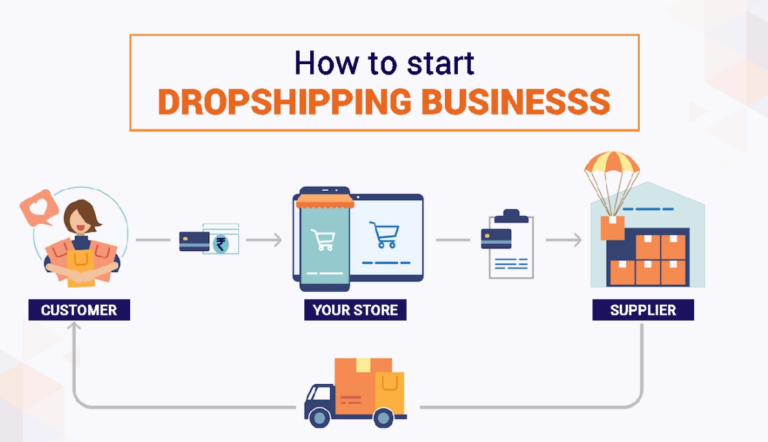
- Order is placed in your store
- System automatically forwards it to supplier
- Supplier ships product
Benefits
- Faster processing time
- Fewer errors
- Improved customer satisfaction
With automation, you can handle hundreds or even thousands of orders without lifting a finger.
Step 5: Automate Inventory Management
Running out of stock or selling unavailable products can damage your reputation.
Automation Solutions
Inventory automation tools:
- Sync stock levels in real time
- Remove out-of-stock products automatically
- Adjust product availability
Why It Matters
- Prevent overselling
- Maintain customer trust
- Avoid refunds and complaints
Step 6: Automate Pricing Strategies
Pricing can significantly impact your profitability.
Dynamic Pricing
Automation tools allow you to:
- Set profit margins
- Adjust prices based on supplier costs
- Apply discounts automatically
Example Strategies
- Fixed markup (e.g., +30%)
- Tiered pricing based on product cost
- Competitor-based pricing
Automated pricing ensures you remain competitive without constant monitoring.
Step 7: Automate Customer Service
Customer service can consume a large portion of your time. Automation helps maintain responsiveness without being online 24/7.
Tools to Use
- Chatbots
- Email autoresponders
- Helpdesk systems
What You Can Automate
- Order confirmations
- Shipping updates
- Frequently asked questions
- Refund policies
Benefits
- Faster response times
- Better customer experience
- Reduced workload
Step 8: Automate Email Marketing
Email marketing is one of the most powerful tools for increasing sales—and it can be fully automated.
Key Campaigns to Automate
- Welcome emails
- Abandoned cart reminders
- Post-purchase follow-ups
- Promotional campaigns
Why It Works
Automated emails:
- Re-engage customers
- Increase conversions
- Build long-term relationships
Set up workflows once, and they will run continuously in the background.
Step 9: Automate Social Media Marketing
Social media is essential for driving traffic, but posting manually every day is inefficient.
Automation Tools
Use scheduling tools to:
- Plan posts in advance
- Publish content automatically
- Analyze engagement
Content to Automate
- Product promotions
- Customer testimonials
- Educational content
- Seasonal offers
Consistency is key, and automation ensures your brand stays active online.
Step 10: Automate Advertising Campaigns
Paid ads can scale your business quickly—but managing them manually can be overwhelming.
What to Automate
- Budget allocation
- Audience targeting
- Performance tracking
Smart Automation Features
- AI-based ad optimization
- Automatic bid adjustments
- Retargeting campaigns
Result
- Better ROI
- Less manual monitoring
- Faster scaling
Step 11: Use Analytics and Reporting Tools
Automation isn’t complete without tracking performance.
Metrics to Monitor
- Conversion rate
- Customer acquisition cost
- Profit margins
- Return on ad spend
Automated Reports
Analytics tools can:
- Generate daily or weekly reports
- Identify trends
- Suggest improvements
Data-driven decisions help you grow your business more efficiently.
Step 12: Build a Fully Automated Workflow
To achieve true passive income, all systems must work together.
Example Workflow
- Customer visits your store
- Places an order
- Payment is processed automatically
- Order is sent to supplier
- Supplier ships product
- Customer receives tracking info
- Follow-up email is sent
All of this happens without manual involvement.
Common Mistakes to Avoid
Even with automation, mistakes can happen. Avoid these pitfalls:
Over-Automation
Automating everything without monitoring can lead to:
- Poor customer experience
- Incorrect pricing
- Supplier issues
Ignoring Quality Control
Always:
- Test products
- Verify suppliers
- Monitor reviews
Lack of Personalization
Automation should not feel robotic. Maintain a human touch where possible.
Tips to Maximize Passive Income
To get the most out of your automated dropshipping business:
Focus on High-Quality Products
Quality leads to:
- Fewer returns
- Better reviews
- Repeat customers
Build a Strong Brand
Branding increases trust and allows you to charge higher prices.
Optimize Your Store
- Fast loading speed
- Mobile-friendly design
- Clear navigation
Continuously Improve
Even automated systems require occasional updates and optimization.
Is Dropshipping Truly Passive?
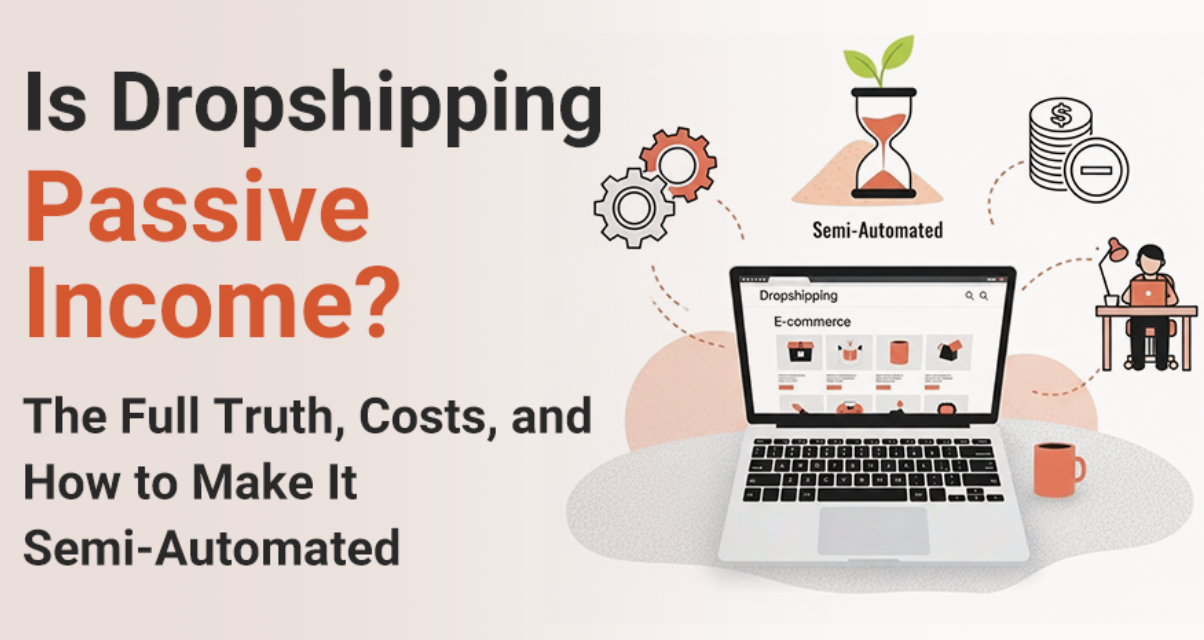
While automation reduces workload, dropshipping is not 100% passive—especially in the beginning.
What Requires Attention
- Product research
- Marketing strategy
- Supplier relationships
However, once your systems are in place, the business can run with minimal daily involvement.
Future of Automated Dropshipping
Automation technology continues to evolve, making dropshipping even more efficient.
Emerging Trends
- AI-driven product research
- Advanced chatbots
- Predictive analytics
- Fully automated supply chains
These innovations will further reduce manual work and increase profitability.
Conclusion
Automating your dropshipping business is the smartest way to turn it into a scalable and semi-passive income stream. By implementing the right tools and strategies, you can eliminate repetitive tasks, reduce errors, and focus on growing your business.
From product sourcing and order fulfillment to marketing and customer service, nearly every aspect of dropshipping can be automated. The key is to build a system that works seamlessly together while maintaining quality and customer satisfaction.
Remember, automation is not about removing yourself completely—it’s about working smarter, not harder. With the right setup, your dropshipping business can generate income around the clock, giving you the freedom to focus on what truly matters.
Start automating today, and take the first step toward building a profitable passive income business.