Dropshipping has become one of the most popular business models in the world of eCommerce. With minimal upfront investment, no need to manage inventory, and the flexibility to operate from anywhere, it has opened the door for entrepreneurs of all experience levels. However, one of the most critical decisions you’ll make when starting a dropshipping business is choosing the right platform.
The platform you select will influence everything—from store design and user experience to payment processing, automation, and scalability. In this article, we will explore the best platforms for dropshipping, including Shopify, WooCommerce, and several other powerful options. By the end, you’ll have a clear understanding of which platform suits your needs and how to maximize your success.
What Is Dropshipping?
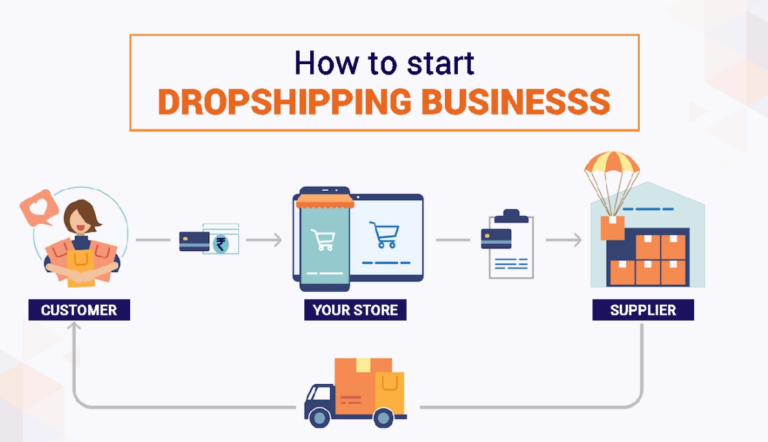
Dropshipping is a retail fulfillment method where you don’t keep products in stock. Instead, when a customer places an order, you purchase the item from a third-party supplier who ships it directly to the customer. This eliminates the need for warehousing and inventory management.
Key Benefits:
- Low startup costs
- No inventory management
- Flexible location
- Wide product selection
- Easy scalability
However, success depends heavily on choosing the right platform.
Why Choosing the Right Platform Matters
Not all eCommerce platforms are created equal. Some are beginner-friendly with built-in tools, while others offer advanced customization but require technical skills.
Factors to Consider:
- Ease of use
- Pricing and fees
- Integration with suppliers
- Customization options
- Payment gateways
- SEO capabilities
- Scalability
1. Shopify – The All-in-One Dropshipping Solution
Shopify is widely regarded as one of the best platforms for dropshipping, especially for beginners.
Key Features:
- User-friendly interface
- Built-in hosting
- Drag-and-drop store builder
- Extensive app marketplace
- Seamless integration with dropshipping apps
Pros:
- Easy setup process
- Reliable hosting and security
- Excellent customer support
- Large ecosystem of apps
Cons:
- Monthly subscription cost
- Transaction fees (unless using Shopify Payments)
- Limited customization compared to open-source platforms
Best For:
Beginners and entrepreneurs who want a hassle-free setup without dealing with technical complexities.
2. WooCommerce – The Flexible Powerhouse
WooCommerce is a WordPress plugin that turns your website into a fully functional online store.
Key Features:
- Open-source platform
- Highly customizable
- Large plugin ecosystem
- Full control over your store
Pros:
- No monthly platform fees
- Unlimited customization
- Strong SEO capabilities
- Huge community support
Cons:
- Requires technical knowledge
- You need to manage hosting and security
- Setup can be time-consuming
Best For:
Users who want complete control over their store and are comfortable with WordPress.
3. BigCommerce – Built for Growth
BigCommerce is another powerful platform that offers robust features for scaling businesses.
Key Features:
- Built-in SEO tools
- Multi-channel selling
- No transaction fees
- Advanced analytics
Pros:
- Scalable infrastructure
- Strong performance
- Built-in features reduce need for apps
Cons:
- Slight learning curve
- Pricing tiers can increase as you grow
Best For:
Growing businesses that need advanced features without relying heavily on third-party apps.
4. Wix eCommerce – Simple and Affordable
Wix has evolved into a capable eCommerce platform with dropshipping support.
Key Features:
- Drag-and-drop builder
- Pre-designed templates
- Built-in hosting
- App integrations
Pros:
- Easy to use
- Affordable pricing
- Great design flexibility
Cons:
- Limited scalability
- Fewer advanced features
Best For:
Small businesses and beginners looking for a simple solution.
5. Squarespace – Design-Focused Platform
Squarespace is known for its stunning templates and clean designs.
Key Features:
- Beautiful templates
- Built-in marketing tools
- Easy-to-use editor
Pros:
- Excellent design quality
- All-in-one platform
- Good for branding
Cons:
- Limited dropshipping integrations
- Less flexibility than competitors
Best For:
Entrepreneurs who prioritize aesthetics and branding.
6. Magento (Adobe Commerce) – Enterprise-Level Power
Magento is a powerful platform designed for large-scale businesses.
Key Features:
- Advanced customization
- High scalability
- Enterprise-level features
Pros:
- Extremely flexible
- Handles large product catalogs
- Advanced features
Cons:
- Requires technical expertise
- Expensive to maintain
Best For:
Large businesses with development resources.
7. Ecwid – Add eCommerce Anywhere
Ecwid allows you to add an online store to an existing website.
Key Features:
- Easy integration
- Free plan available
- Multi-platform selling
Pros:
- Simple setup
- Works with existing websites
- Affordable
Cons:
- Limited customization
- Not ideal for large stores
Best For:
Small businesses adding eCommerce to an existing site.
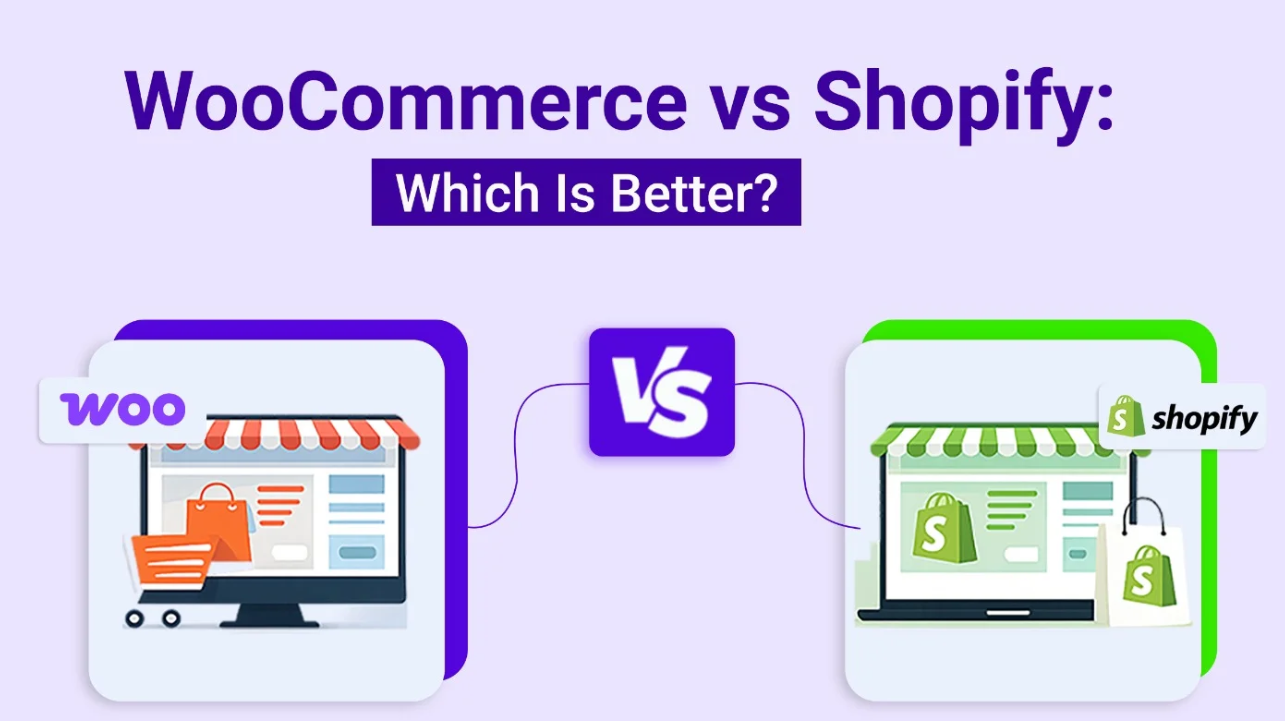
Shopify vs WooCommerce: Which Is Better?
This is one of the most common questions among dropshippers.
Ease of Use:
- Shopify: Beginner-friendly
- WooCommerce: Requires technical skills
Cost:
- Shopify: Monthly fee
- WooCommerce: Free plugin, but hosting costs
Customization:
- Shopify: Limited but sufficient
- WooCommerce: Highly customizable
SEO:
- Shopify: Good
- WooCommerce: Excellent
Conclusion:
- Choose Shopify if you want simplicity
- Choose WooCommerce if you want flexibility
Essential Tools for Dropshipping Success
Regardless of the platform you choose, tools play a crucial role.
Must-Have Tools:
- Product research tools
- Supplier platforms
- Marketing automation
- Email marketing software
- Analytics tools
Tips for Choosing the Best Platform
1. Define Your Budget
Consider both upfront and ongoing costs.
2. Evaluate Your Technical Skills
Choose a platform that matches your expertise.
3. Think Long-Term
Pick a platform that can grow with your business.
4. Test User Experience
A smooth shopping experience increases conversions.
5. Check Integration Options
Ensure compatibility with suppliers and tools.
Common Mistakes to Avoid
1. Choosing Based on Price Alone
Cheap platforms may lack essential features.
2. Ignoring SEO Capabilities
SEO is crucial for long-term traffic.
3. Overcomplicating the Setup
Start simple and scale later.
4. Not Testing the Platform
Always test before committing.
SEO Tips for Your Dropshipping Store
To get indexed quickly on Google, follow these SEO practices:
1. Keyword Optimization
Use relevant keywords in titles, descriptions, and content.
2. High-Quality Content
Publish blog posts and product descriptions regularly.
3. Fast Loading Speed
Optimize images and use reliable hosting.
4. Mobile Optimization
Ensure your store is mobile-friendly.
5. Backlink Building
Get links from reputable websites.
Future Trends in Dropshipping Platforms
The eCommerce landscape is constantly evolving.
Emerging Trends:
- AI-powered automation
- Personalized shopping experiences
- Voice commerce
- Faster shipping solutions
- Integration with social media platforms
Conclusion
Choosing the best platform for dropshipping is a critical step in building a successful online business. Shopify offers simplicity and ease of use, making it ideal for beginners. WooCommerce provides unmatched flexibility and control, perfect for those with technical skills. Meanwhile, platforms like BigCommerce, Wix, and Squarespace cater to different needs and preferences.
Ultimately, the best platform depends on your goals, budget, and level of expertise. Take the time to evaluate your options carefully, test different platforms if possible, and focus on building a strong foundation for your business.
With the right platform and strategy, dropshipping can become a profitable and sustainable venture.
Final Thoughts
Success in dropshipping doesn’t come from the platform alone—it comes from how you use it. Focus on delivering value, optimizing your store, and continuously improving your marketing strategies.
Start small, learn fast, and scale wisely. Your journey in dropshipping begins with the right platform—choose wisely and take action today.