Starting an online business no longer requires a warehouse full of products or a huge upfront investment. In today’s digital economy, dropshipping has become one of the most accessible ways to launch an eCommerce business with minimal risk. If you’re looking for a step-by-step guide on how to start a dropshipping business with zero inventory, you’re in the right place.
This comprehensive guide will walk you through everything—from understanding the business model to launching and scaling your store successfully.
What is Dropshipping?
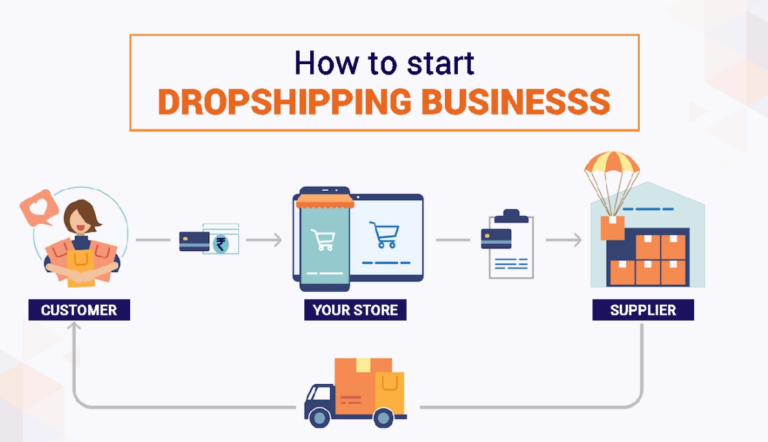
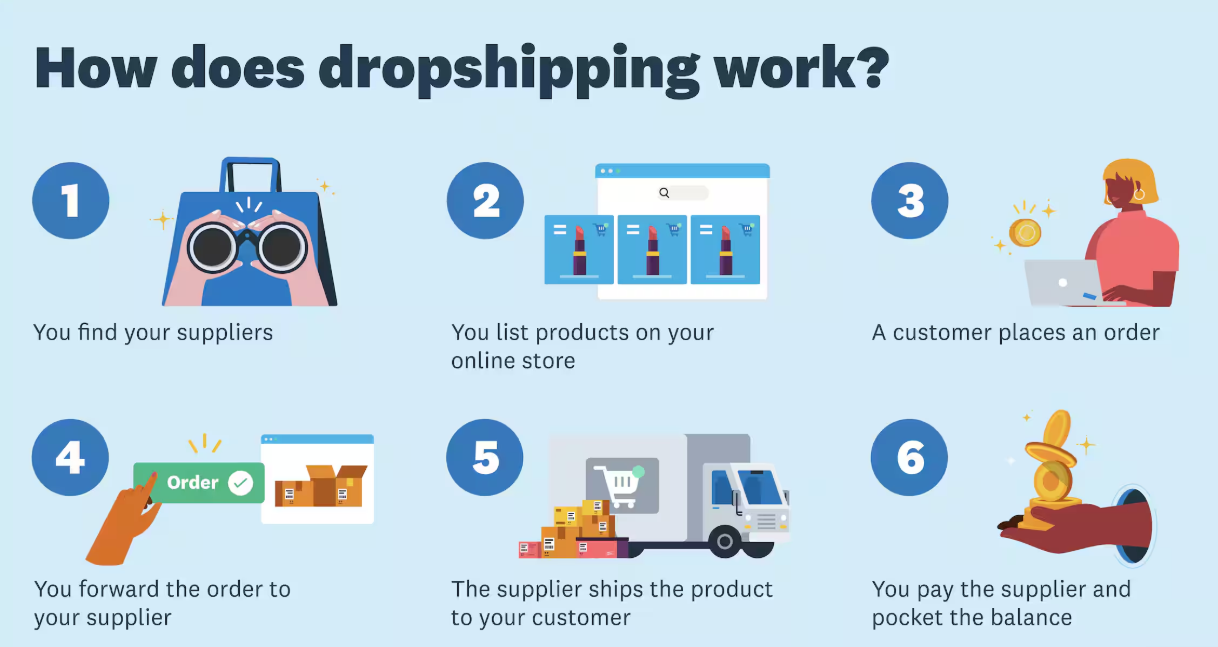
Dropshipping is a retail fulfillment method where you don’t keep products in stock. Instead, when a customer places an order in your online store, you purchase the item from a third-party supplier who ships it directly to the customer.
Key Characteristics:
- No inventory storage required
- Low startup costs
- Flexible location (work from anywhere)
- Wide product selection
This business model eliminates the biggest barrier in traditional retail: inventory management.
Why Choose Dropshipping?
Before diving into the “how,” it’s important to understand why dropshipping is so popular.
1. Low Startup Cost
You don’t need to invest in bulk inventory. You only pay for products after making a sale.
2. Easy to Start
You can launch a store in a matter of days without needing technical expertise.
3. Minimal Risk
Since you’re not holding inventory, there’s no risk of unsold stock.
4. Scalability
With the right systems, you can scale your business quickly without worrying about logistics.
Step 1: Choose a Profitable Niche
Selecting the right niche is critical. A niche defines your target audience and determines your marketing strategy.
How to Pick a Winning Niche:
- Focus on passionate audiences (fitness, pets, beauty, gadgets)
- Avoid overly saturated markets unless you have a unique angle
- Look for problem-solving products
- Ensure consistent demand
Examples of Profitable Niches:
- Home organization
- Eco-friendly products
- Fitness and wellness
- Pet accessories
- Smart gadgets
Pro Tip:
Choose a niche you’re genuinely interested in—it will make marketing and branding much easier.
Step 2: Conduct Market Research
Once you’ve chosen a niche, validate it with proper research.
What to Look For:
- Trending products
- Customer demand
- Competitor analysis
- Pricing strategies
Tools You Can Use:
- Google Trends
- Social media platforms (TikTok, Instagram)
- Online marketplaces like Amazon and eBay
Key Insight:
If people are already buying similar products, that’s a good sign—competition often means demand exists.
Step 3: Find Reliable Suppliers
Your supplier is the backbone of your dropshipping business.
Where to Find Suppliers:
- AliExpress
- Alibaba
- CJ Dropshipping
- Spocket
- SaleHoo
What to Look for in a Supplier:
- Good product reviews
- Fast shipping times
- Reliable communication
- Quality product images
Red Flags:
- Poor ratings
- Long shipping delays
- Lack of transparency
Pro Tip:
Order samples before selling products to ensure quality.
Step 4: Build Your Online Store
Your store is your brand’s home. It should look professional and trustworthy.
Platforms to Use:
- Shopify
- WooCommerce
- Wix
Key Elements of a High-Converting Store:
- Clean design
- Mobile-friendly layout
- Fast loading speed
- Clear navigation
- Secure checkout
Essential Pages:
- Homepage
- Product pages
- About Us
- Contact page
- Privacy Policy & Terms
Step 5: Create Compelling Product Listings
Your product page is where sales happen.
What Makes a Great Product Page:
- High-quality images
- Engaging product descriptions
- Clear benefits (not just features)
- Customer reviews
- Strong call-to-action (CTA)
Writing Tips:
Instead of saying:
“This bottle holds 500ml”
Say:
“Stay hydrated all day with this compact, travel-friendly bottle designed for your busy lifestyle.”
Focus on solving customer problems.
Step 6: Set Competitive Pricing
Pricing can make or break your business.
Pricing Strategies:
- Cost-based pricing (cost + profit margin)
- Competitive pricing
- Value-based pricing
Recommended Margin:
Aim for at least 20–40% profit margin.
Example:
If a product costs $10, sell it for $20–$30 depending on perceived value.
Step 7: Launch Your Store
Once everything is ready, it’s time to go live.
Pre-Launch Checklist:
- Test checkout process
- Ensure all links work
- Optimize for mobile
- Set up payment gateways (PayPal, Stripe)
- Install analytics tools
Soft Launch Strategy:
Start with a small audience to test performance before scaling.
Step 8: Drive Traffic to Your Store
No traffic = no sales. Marketing is essential.
Best Traffic Sources:
1. Social Media Marketing
Platforms like TikTok, Instagram, and Facebook are powerful for dropshipping.
- Post engaging content
- Use trending hashtags
- Collaborate with influencers
2. Paid Advertising
- Facebook Ads
- TikTok Ads
- Google Ads
Start with a small budget and test different creatives.
3. SEO (Search Engine Optimization)
Optimize your store for search engines by:
- Using relevant keywords
- Writing blog content
- Optimizing product descriptions
4. Email Marketing
Build an email list and send:
- Promotions
- Updates
- Abandoned cart reminders
Step 9: Optimize for Conversions
Getting traffic is only half the battle—you need to convert visitors into customers.
Conversion Optimization Tips:
- Use scarcity (limited stock)
- Offer discounts or bundles
- Add trust badges
- Provide free shipping
- Use clear CTAs
Example CTA:
“Buy Now and Get 20% Off Today Only!”
Step 10: Automate Your Business
Automation saves time and helps you scale.
Tools to Consider:
- Order fulfillment apps
- Email automation tools
- Chatbots for customer service
Benefits:
- Reduced manual work
- Faster processing
- Better customer experience
Step 11: Provide Excellent Customer Service
Customer satisfaction is key to long-term success.
Best Practices:
- Respond quickly to inquiries
- Be transparent about shipping times
- Handle refunds professionally
- Follow up after purchases
Happy customers = repeat business and positive reviews.
Step 12: Scale Your Business
Once you start making consistent sales, it’s time to scale.
Scaling Strategies:
- Increase ad budget on winning products
- Expand product range
- Enter new markets
- Build a brand identity
Advanced Tips:
- Create your own branded packaging
- Build a loyal community
- Work with private suppliers
Common Mistakes to Avoid
1. Choosing the Wrong Niche
Avoid niches with no demand or extreme competition without differentiation.
2. Ignoring Customer Experience
Poor service can destroy your reputation.
3. Overcomplicating the Store
Keep it simple and user-friendly.
4. Not Testing Products
Always validate before scaling.
Is Dropshipping Still Profitable in 2026?
Yes—but it’s more competitive than ever.
To succeed, you must:
- Focus on branding
- Provide real value
- Use effective marketing strategies
The days of “easy money” are gone, but the opportunity is still huge for those who take it seriously.
Final Thoughts
Starting a dropshipping business with zero inventory is one of the easiest ways to enter the world of eCommerce. With minimal upfront investment and the right strategy, you can build a profitable online store from scratch.